Key takeaways
- Assign evidence and illustration to explicit sources before production.
- Preserve creator meaning and permissions through every handoff.
- Review the assembled video for new implications created by editing.
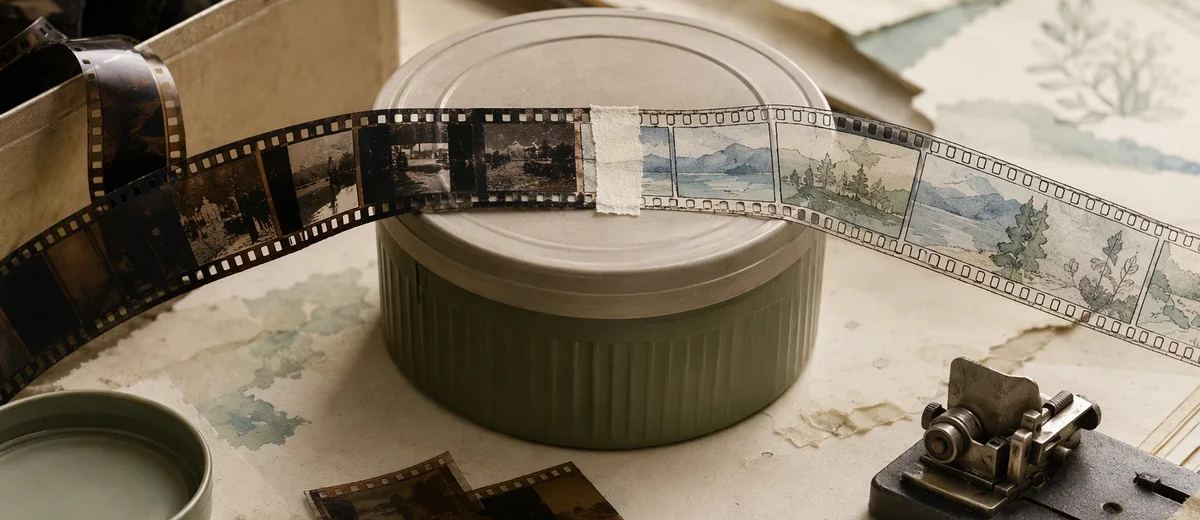
A hybrid AI and human UGC workflow assigns each part of a video to the source best able to support it. Real people and real footage supply actual experience and product evidence. Generation can support suitable narration, planning, illustration, or presentation. The production system should preserve that distinction from the first brief to the final export.
The challenge is not simply combining clips with a matching color grade. It is keeping claims, permissions, sources, and edits coherent as work moves between creators, editors, and generation tools. A reliable hybrid process makes those handoffs explicit so a useful illustration does not quietly become apparent proof.
Divide the brief by evidence responsibility
Start with the buyer question and supported claim. List the facts or experiences the video needs to communicate, then assign a source to each. A genuine product-use statement belongs to the person who had that experience. A mechanism demonstration belongs to accurate product footage.
Identify where generation can help without inventing evidence. It might create a rough storyboard, provide a neutral introductory presenter, or supply a clearly illustrative transition. The role should be specific enough that the reviewer knows what the generated asset must not imply.
Avoid assigning an entire video to one production method merely for convenience. A real creator can provide the evidence while a separate editor builds the explanation. A generated opening can be removed if it adds little value without discarding the useful footage.
Use your campaign plan to record the intended outcome, then add these source responsibilities to the production brief. This makes the workflow operational rather than a vague instruction to mix human and AI content.
Capture the human contribution with context
When a creator supplies experience, ask for the actual circumstances, relevant limitations, and approved wording. Do not script a result they did not have. Preserve the difference between their opinion and a factual claim about the product.
When filming a demonstration, record the product version, setup, accessories, and important conditions. Capture clean footage with enough context to understand the action. Keep original files so later edits can be checked against what was recorded.
The FTC's endorsement guidance is relevant to honest experiences and material connections. A paid creator can provide genuine evidence, but the relationship and claim still need appropriate treatment.
Document permission for the actual intended use. Editing a filmed statement, translating it, generating new speech, and recreating a likeness are different actions. Do not assume that a basic filming agreement covers every synthetic extension.
Prepare generated assets around the verified core
Give the generation stage a bounded task. For example: introduce the product question without personal-use claims, or create a conceptual transition that does not show product performance. Provide approved terminology and factual exclusions alongside the visual direction.
Keep real reference assets distinguishable from generated drafts. A plausible generated product detail should not become the reference used to judge later scenes. The source of truth remains the verified product and authorized evidence.
Review provider terms and any real-person inputs. The U.S. Copyright Office's AI resources address digital replicas and copyright questions, while the specific agreements and provider terms govern important practical uses.
Do not ask generation to imitate a creator's voice or face merely because their filmed clip appears in the same project. That requires a separate permissions assessment. A hybrid workflow should preserve the creator's contribution, not silently expand it.
An illustrative assembly for a kitchen storage product
Imagine a brand making a video about a stackable container. This is a hypothetical production example. A real creator records the container being filled, closed, and placed on a shelf, and describes a limited observation about handling it.
The team uses those clips as evidence. A generated introductory scene establishes the storage question without claiming a customer outcome. The narrator then directs attention to the real closing mechanism and the verified dimensions.
The editor does not use a generated scene of liquid staying inside during a fall, because the recorded demonstration does not support that performance claim. It also avoids making the synthetic narrator repeat the creator's experience as its own.
The final sequence clearly distinguishes explanation from evidence. The creator's statement retains its context, the product footage remains accurate, and the supporting generated material does not broaden the promise beyond what the sources can support.
Use an asset manifest at the handoff
For each asset, record its source, role, product version, permissions, approved claim, and any required context. Include the creator's approved wording and the generation instructions that constrain synthetic scenes.
The editor should be able to identify what can be shortened, cropped, translated, or replaced. A customer qualification may need to remain attached to the statement. A product action may need its starting and ending state to preserve cause and effect.
Keep rejected assets out of the approved folder. Record why a scene was rejected when the reason concerns truthfulness, permissions, or product fidelity. Otherwise, an attractive unused clip may reappear in a later version without the original concern.
Use the content approval workflow to assign responsibility for the final combination. Separate source approvals help, but someone still needs to review the assembled message.
Edit for coherence without manufacturing continuity
Match pacing, color, and audio enough to make the video understandable. Do not create a false impression that a synthetic presenter and real creator were together or that an illustrative event actually occurred if that matters to the message.
Review transitions for implied causation. A generated problem scene followed by real product footage can suggest that the product caused a broad transformation. Make the supported relationship clear through the script and sequence.
Preserve the meaning of real statements. A cut that removes a limitation can change an honest observation into an exaggerated endorsement. The FTC's testimonial rule guidance is a useful reference when the edit risks false representations about experience.
Check captions and voiceover against the final cut. A line written for an earlier sequence can introduce a claim the remaining footage no longer supports. The assembled export, not the individual source files, is the item the audience will see.
Review disclosure and destination as separate tasks
Identify required commercial and AI-related context for the destination. A paid relationship and generated media are different facts, and one label should not be assumed to explain both. Verify the current platform controls for the intended publishing route.
Open the destination page and compare it with the final promise. Check product version, offer, included items, and the next action. A careful hybrid edit can still lead to a page that changes the meaning of the message.
Draft supporting post copy with the caption generator, then check its claims against the same source record. Caroush's tools can support adjacent content without being treated as an avatar-generation or advertising-management system.
Save the final export with the manifest, permissions, approved script, and review notes. When the product or offer changes, identify which components remain valid and which need new evidence.
Make the next production cycle easier
After release, record where the workflow created useful flexibility and where it caused rework. A repeated product-fidelity problem may suggest more real footage. A slow caption correction process may call for better source organization. Use those observations to improve the handoff rather than declaring one production method universally superior.
The successful hybrid process produces a coherent explanation with traceable evidence. It uses generation where it helps and preserves human experience where that experience is the substance of the message.
Sources
Frequently asked questions
What belongs in the human part of a hybrid workflow?
Actual experience, factual product demonstrations, and other evidence that depends on something really happening. The precise allocation depends on the claim and available sources.
Can AI rewrite a creator’s testimonial?
Editing must preserve the person’s real meaning and permissions. Do not generate new experience, remove important qualifications, or recreate voice and likeness without appropriate authorization.
What is an asset manifest?
A practical record of each clip’s source, role, product version, permissions, approved claim, and required context. It helps editors combine material without losing important boundaries.
Does hybrid production always cost less?
No. It can add coordination, permissions, and review work. Evaluate the approved output and total process rather than assuming a mix of tools guarantees savings.
About Garry
Gaurav Sapkota builds Caroush, a workspace for creating, scheduling, and publishing social content.